The Role of an Internist in Palliative Medicine
By drvadmin
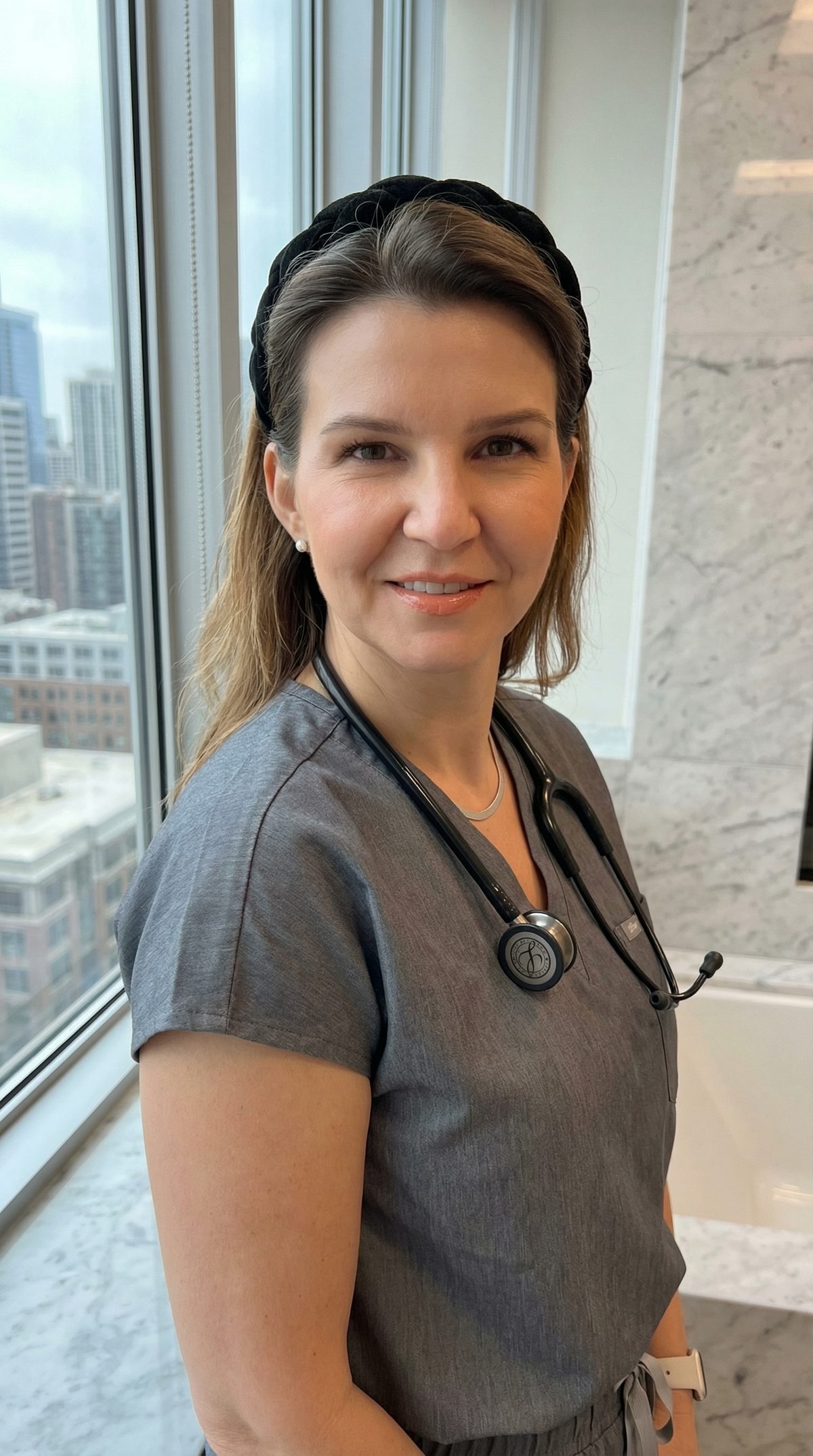
When facing a serious or chronic illness, the medical landscape often feels fragmented. You may have a cardiologist for your heart, an oncologist for cancer care, and a pulmonologist for your lungs. While these specialists are essential for treating specific organ systems, patients often ask: “Who is looking at the whole picture? Who is making sure I feel well while I get better?”
This is where the role of an internist in palliative medicine becomes essential. Internal medicine physicians are trained to manage complex, multi-system diseases in adults. When this expertise is applied to palliative care, a medical specialty focused on relief from the symptoms and stress of a serious illness, the result is a comprehensive approach that prioritizes your quality of life.
At Kelsey-Seybold Clinic in Sugar Land, I believe that understanding this role can empower you and your family to seek the support you need, exactly when you need it.
Palliative Care Beyond the Myths
Before exploring the specific role of the internist, we must address common misconceptions. Many patients equate palliative care with hospice, assuming it is only for the final days of life. This is not the case.
Palliative care is specialized medical care for people living with a serious illness. It is appropriate at any age and at any stage of a serious illness, and it can be provided alongside curative treatment. The goal is not just to extend life, but to improve the quality of that life. Whether you are dealing with heart failure, COPD, cancer, kidney disease, or dementia, palliative care focuses on:
- Relieving pain and other distressing symptoms
- Navigating the healthcare system
- Clarifying treatment goals
- Providing emotional and spiritual support
Why an Internist Is Uniquely Positioned
Internists are often referred to as “doctors for adults.” We specialize in the prevention, diagnosis, and treatment of adult diseases. Because we are trained to handle patients with multiple co-occurring conditions, we are uniquely positioned to lead or support palliative care efforts.
An internist does not look at a disease in isolation. Instead, we look at how a disease interacts with your other health conditions, your medications, and your daily life. This whole-person perspective is what makes the role of an internist in palliative medicine so valuable.
The Expert Coordinator
In modern medicine, care is often fragmented. A patient might receive a new medication from one specialist that interacts poorly with a medication prescribed by another. The internist acts as the conductor of this orchestra.
We review the entire medication list to prevent polypharmacy, the use of multiple medications that may cause more side effects than benefits. By communicating with your other specialists, the internist ensures that your palliative care plan for symptom relief aligns with your curative care plan for disease treatment. This coordination prevents conflicting recommendations and reduces the burden of unnecessary appointments.
Managing Complex Comorbidities
Palliative care is rarely about just one symptom. A patient with cancer may also have diabetes and high blood pressure. Treating cancer pain with certain steroids might spike blood sugar levels. An internist is trained to balance these competing needs, managing chronic conditions so that they do not flare up while you are undergoing treatment for a serious illness.
Continuity of Care
One of the defining features of internal medicine is the long-term relationship between doctor and patient. Palliative care is not a one-time consultation; it is a journey. Having an internist who knows your medical history, your values, and your family dynamics allows for more personalized care. This continuity builds trust, which is the foundation of effective symptom management and honest conversations about the future.
How an Internist Manages Palliative Symptoms
A major part of palliative medicine is the early identification and thorough assessment of pain and other problems, whether physical, psychological, or spiritual. As an internist, I regularly address physical symptoms that can derail a patient’s daily life.
Pain Management
Pain is complex. It can be nerve pain, bone pain, or visceral pain. I use a stepped approach to pain management, starting with non-opioid medications and escalating only as necessary, always balancing relief with alertness and function. Adjuvant medications that calm nerve firing are often more effective than traditional painkillers for neuropathic components.
Shortness of Breath
For patients with heart failure or lung disease, the sensation of air hunger can be terrifying. We use medications, oxygen therapy, and anxiety-reduction techniques to help patients breathe easier. Simple interventions like pursed-lip breathing and positioning can also provide meaningful relief.
Gastrointestinal Symptoms
Treatments for serious illnesses, such as chemotherapy, often cause nausea, vomiting, constipation, and loss of appetite. We proactively manage these symptoms, often before they become severe, to ensure you can maintain nutrition and comfort.
Fatigue and Insomnia
Fatigue is one of the most common complaints among patients with chronic illness. An internist investigates the root cause. Is it anemia? Thyroid issues? Depression? Or the illness itself? By diagnosing the cause, we can target the treatment rather than just masking the symptom.
Emotional and Cognitive Symptoms
Depression, anxiety, confusion, and insomnia are medical issues we treat. This may involve counseling, medication, or environmental modifications. These are not just side effects to endure; they are treatable conditions that, when managed, can meaningfully improve your daily life.
Navigating Goals of Care Conversations
Perhaps the most profound role of an internist in palliative medicine is helping patients define what “living well” means to them. Medical technology offers many ways to keep the body alive, but it does not always tell us whether those interventions align with a patient’s values.
These discussions are often called goals of care conversations. They are not about giving up hope. They are about redefining hope.
- Understanding Prognosis: We help translate medical information into plain language, helping you understand what to expect in the coming months or years.
- Advance Directives: We assist in completing living wills and medical powers of attorney so that your voice is heard even if you cannot speak for yourself.
- Treatment Trade-Offs: We discuss the trade-offs of certain treatments honestly. For example, if a treatment offers a small chance of benefit but a high likelihood of severe side effects, is that a trade-off you are willing to make? There is no right or wrong answer, only the answer that is right for you.
I take these conversations seriously, ensuring they happen early, when you are clear-headed and able to make decisions without the pressure of a crisis.
Integrating Palliative Care with Curative Treatment
A common fear is that choosing palliative care means stopping treatment for your disease. This is not the case. You can receive chemotherapy, dialysis, or cardiac interventions while receiving palliative care.
Palliative care is offered alongside other treatments a patient may be receiving. The availability of palliative care does not depend on whether your condition can be cured. For example, a patient with heart failure may continue taking medications to strengthen the heart while simultaneously seeing an internist to manage the anxiety and fluid retention associated with the disease.
When Should You See an Internist for Palliative Needs?
You do not need to wait for a referral or for a doctor to suggest it. If you or a loved one is facing a serious illness, consider scheduling an appointment if:
1. Symptoms are unmanaged: You are in pain, nauseous, or exhausted despite current treatments.
2. Frequent hospitalizations: You find yourself in the emergency room or hospital multiple times for the same condition.
3. Confusion about care: You have multiple specialists and are unsure who is in charge or what the overall plan is.
4. Caregiver burnout: Your family is overwhelmed by the physical and emotional demands of caregiving.
5. Major treatment decisions: You are facing a complex choice and need help weighing options based on your personal goals.
Preparing for Your Appointment
To get the most out of your visit, preparation is valuable. Consider bringing:
- A Symptom Diary: Write down what symptoms you have, when they happen, and what makes them better or worse.
- Medication List: Include all prescriptions, over-the-counter drugs, and supplements with dosages.
- Advance Directives: If you have a living will or medical power of attorney, bring a copy.
- A Support Person: Bring a family member or friend to take notes and offer support.
- Your Questions: Write down what you want to discuss, including concerns about treatment trade-offs, side effects, and goals of care.
Moving Forward with Compassion
The journey through serious illness is challenging, but you do not have to walk it alone. The role of an internist in palliative medicine is to walk beside you, combining the science of internal medicine with the art of compassionate care. We are here to ensure that your medical treatment supports your life goals, rather than your life revolving entirely around medical treatment.
I am dedicated to providing this holistic level of care to the Sugar Land community. By focusing on the whole person, body, mind, and spirit, we can help you navigate the complexities of illness with dignity and comfort. Palliative care is about adding life to your years, not just years to your life.
—
Medical Disclaimer: This article is for informational purposes only and does not constitute medical advice. Always consult with a qualified healthcare provider for personalized medical guidance. To schedule an appointment with Dr. Vuslat Muslu Erdem at Kelsey-Seybold Clinic in Sugar Land, TX, call (713) 442-9100.