What Is Palliative Care? Dispelling Common Myths and Finding Comfort
By drvadmin
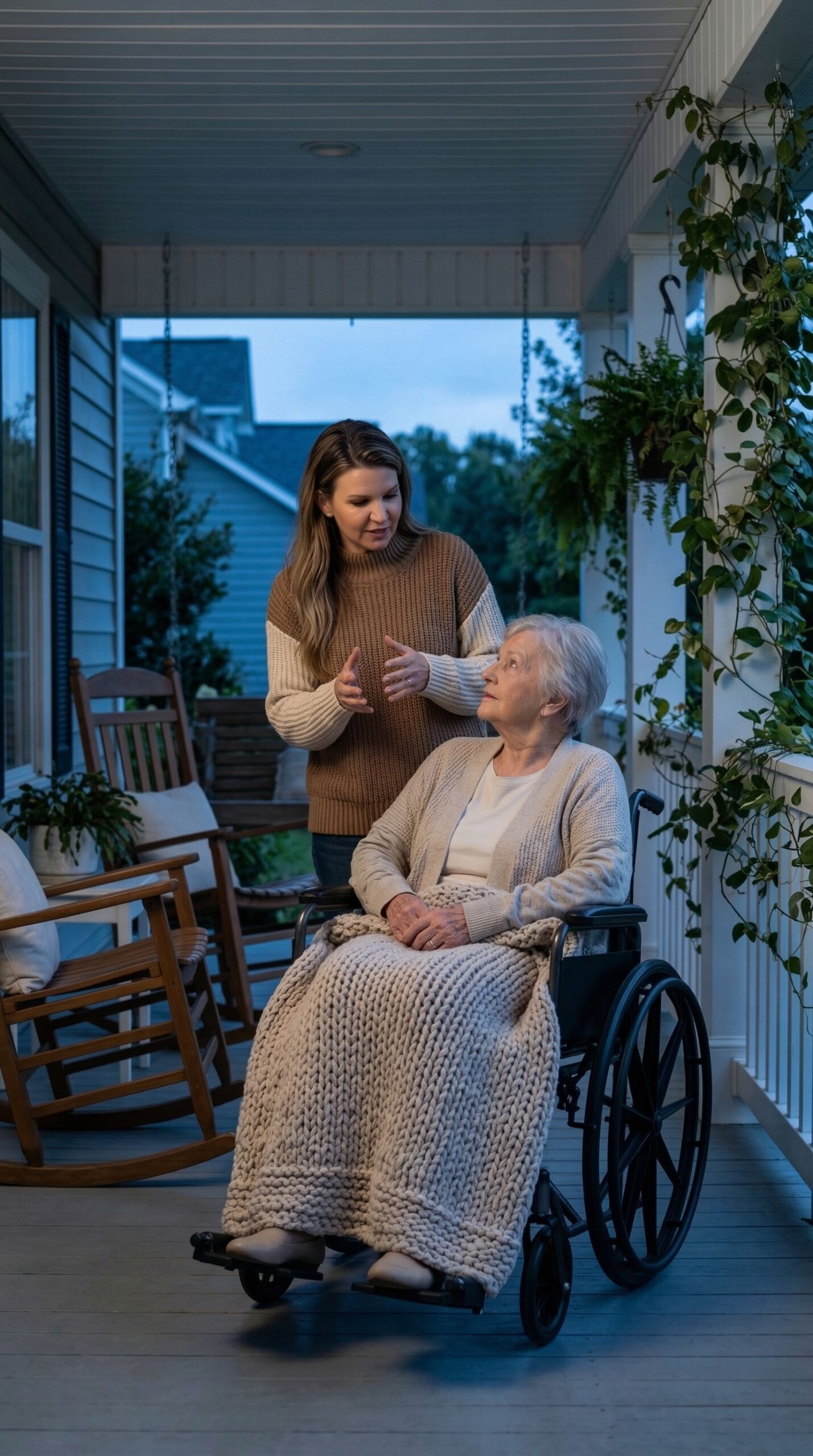
When patients and their families first hear a doctor ask, 'What is palliative care, and have you considered it?' a wave of fear and uncertainty often washes over the consultation room.
This initial fear stems from a profound, widespread, and deeply ingrained societal misunderstanding of medical terminology. For decades, the term has been incorrectly synonymous with end-of-life hospice care, giving up hope, or exhausting all available medical options. When individuals receive a diagnosis of a serious, potentially life-limiting illness, their immediate focus is understandably on aggressive treatment, fighting the disease, and finding a cure. In this high-stress environment, the suggestion to bring in a specialized comfort care team can feel like a devastating blow, leading many to reflexively reject a service that could fundamentally transform their daily experience. This persistent misconception deprives countless patients of crucial, life-enhancing support, leaving them to navigate severe pain, debilitating side effects, and overwhelming emotional distress entirely on their own, without the expert guidance they truly deserve.
In reality, supportive comfort care is one of the most life-affirming, patient-centered medical specialties available in modern healthcare. It is not fundamentally about how you die, but rather about how you live while facing a complex, chronic, or severe medical condition. In this comprehensive guide, we will dismantle the pervasive myths surrounding this vital medical specialty, answer the core question of what it truly entails, and demonstrate how early integration can radically enhance your physical comfort, emotional resilience, and overall well-being. By deeply exploring the multifaceted layers of holistic comfort care, we aim to empower you and your loved ones to make informed, proactive decisions about your ongoing health journey.
Defining Palliative Care: A Holistic Focus on Quality of Life
To truly answer the question 'what is palliative care', we must first deeply understand its foundational goal: the relentless pursuit of an improved quality of life for patients facing serious illnesses. Unlike traditional medical models that focus almost exclusively on curing a specific disease or eradicating a pathogen, this specialized medical care broadens the clinical lens to focus intently on the whole person living with the disease. It provides an essential, extra layer of support designed to anticipate, prevent, and treat the myriad of complex symptoms and immense psychological stress that accompany severe health conditions. Whether a patient is battling congestive heart failure, chronic obstructive pulmonary disease (COPD), cancer, end-stage kidney disease, or degenerative neurological disorders like Parkinson's or ALS, the cumulative physical and emotional toll can be entirely overwhelming. Supportive comfort care steps directly into this gap, offering meticulous symptom management that traditional curative treatments may inadvertently overlook. The primary clinical objective is to ensure that patients can remain as active, comfortable, and joyfully engaged in their daily lives as possible. By thoroughly addressing debilitating issues such as severe pain, chronic fatigue, nausea, loss of appetite, and severe sleep disturbances, expert practitioners help patients regain a profound sense of personal control, autonomy, and dignity. If you are currently exploring your healthcare options, we warmly invite you to learn more by reviewing our comprehensive services designed specifically to provide this vital extra layer of holistic support.
- Comprehensive Symptom Management: Proactively addressing physical distress such as severe pain, shortness of breath, chronic nausea, and debilitating fatigue to ensure daily comfort and physiological stability.
- Enhanced Communication and Coordination: Facilitating incredibly clear, open, and continuous dialogues between the patient, their family members, and the entire broader team of specialized medical providers.
- Emotional and Psychological Support: Providing robust coping strategies, counseling, and therapeutic interventions to help manage the severe anxiety, clinical depression, and existential fear often associated with a serious diagnosis.
- Customized Care Pathways: Developing highly individualized, deeply respectful treatment plans that align seamlessly with the patient's unique personal values, cultural background, and long-term life goals.
The Core Philosophy of Comfort and Dignity
At its absolute core, the philosophy of supportive care is deeply rooted in the unwavering preservation of human dignity. It acknowledges that healing is not solely defined by the eradication of disease, but also by the successful restoration of a patient's sense of self and overall well-being. This requires a profound shift from a purely disease-centric approach to a deeply patient-centric one. Practitioners in this field are specially trained to listen intently, not just to the physical symptoms being reported, but to the nuanced fears, hopes, and profound anxieties expressed by the patient. They recognize that an individual is not simply a collection of failing organs or a clinical diagnosis, but a human being with a rich life history, beloved family, and unique personal aspirations. By prioritizing comfort and dignity above all else, the care team creates a safe, nurturing environment where patients feel truly seen, heard, and deeply respected. This compassionate approach significantly alleviates the heavy burden of illness, allowing patients to focus their precious energy on what matters most to them—whether that involves spending quality time with family, engaging in beloved hobbies, or simply enjoying a peaceful, pain-free afternoon. Always remember to consult your doctor to explore how this philosophy can be integrated into your current treatment plan.
Who Can Truly Benefit from Supportive Care?
One of the most frequently asked questions is regarding eligibility and timing: exactly who can benefit from this specialized medical intervention? The remarkably straightforward answer is that anyone, at any age, facing a serious, complex, or life-limiting illness is an excellent candidate for supportive interventions. This includes pediatric patients battling congenital conditions, young adults facing aggressive cancers, and elderly individuals managing multiple chronic, overlapping diseases. The specific diagnosis itself is far less important than the actual burden of the illness and its subsequent impact on the patient's daily quality of life. If a disease or its demanding treatments are causing significant physical distress, overwhelming emotional suffering, or profound logistical challenges for the family unit, it is entirely appropriate—and highly recommended—to seek a consultation. Conditions frequently supported include, but are emphatically not limited to, advanced heart disease, complex respiratory failures, progressive neurological diseases, severe dementia, and metastatic cancer. By stepping in to manage complex symptoms and navigate intricate healthcare systems, the care team provides a vital lifeline that dramatically improves the daily lived experience for both the patient and their dedicated caregivers.

Myth vs. Reality: Dispelling the End-of-Life Misconception
Perhaps the most damaging and pervasive myth in modern healthcare is the deeply flawed belief that palliative care is exactly the same as hospice care, and that agreeing to it signifies that death is imminent and all hope has been completely abandoned. This misconception alone prevents millions of patients from receiving the profound pain relief and vital emotional support they desperately need during the most challenging periods of their lives. To thoroughly dispel this myth, we must explicitly clarify the critical distinctions between these two important, yet functionally different, medical services. While both share a foundational, compassionate philosophy of prioritizing comfort and maximizing quality of life, their timing, scope, and relationship to curative treatments are vastly different. Hospice care is a specific, specialized type of comfort care reserved strictly for patients who are approaching the very end of their lives—typically when a physician has certified a life expectancy of six months or less, and when the patient has consciously chosen to entirely cease all disease-directed, curative treatments. In stark contrast, general palliative interventions can—and absolutely should—be initiated at the exact moment of a serious diagnosis, regardless of the patient's long-term prognosis or life expectancy. This fundamental distinction is crucial for patients to understand, as it unlocks access to years of enhanced well-being and robust medical support.
- Concurrent with Curative Treatment: You do not have to give up your fight against the disease; supportive care operates seamlessly alongside aggressive treatments like chemotherapy, radiation, or complex surgeries.
- Not Dependent on Prognosis: Services are readily available to patients at any stage of their illness, whether they are expected to fully recover, live with a chronic condition for decades, or are facing a terminal diagnosis.
- Focus on Empowerment, Not Surrender: The ultimate goal is to aggressively build up your strength, resilience, and physical tolerance so you can better withstand the rigors of your necessary medical treatments.
- Available from the Point of Diagnosis: The greatest clinical benefits are consistently observed when support is integrated early, preventing severe symptoms from escalating rather than merely reacting to them later.
Timing Your Care: Earlier is Always Better
A wealth of clinical research consistently demonstrates that integrating supportive care early in the trajectory of a serious illness yields profoundly better outcomes for patients. When introduced at the time of diagnosis, the care team can proactively establish baseline health metrics, identify potential future complications, and develop a comprehensive, forward-looking symptom management strategy. This proactive approach prevents patients from reaching a point of absolute crisis where pain or side effects become entirely unmanageable and necessitate traumatic emergency room visits. Early integration also provides the invaluable gift of time—time to build deep, trusting relationships with the care team, time to thoughtfully explore complex care options, and time to have unhurried, meaningful discussions about the patient's long-term goals and personal values. Waiting until a patient is in immense distress or nearing the end of their life deprives them of the extensive, longitudinal benefits that this specialty so beautifully provides. We strongly encourage you to speak with your healthcare provider about early integration to ensure you receive the maximum possible benefit from these comprehensive services.
Continuing Aggressive and Curative Treatments
It is absolutely vital to emphasize that choosing comfort care does not require a patient to forfeit their access to life-prolonging or curative medical therapies. In fact, the exact opposite is true: exceptional supportive care often enables patients to successfully complete demanding treatment regimens that they might otherwise have had to abandon due to intolerable side effects. For instance, a patient undergoing rigorous, aggressive chemotherapy for cancer may experience profound, debilitating nausea, severe neuropathy, and crushing fatigue. An expert palliative physician can prescribe specialized, highly targeted medications to successfully control these severe side effects, thereby allowing the patient to continue receiving their life-saving chemotherapy with far less physical suffering. The supportive care team acts as an essential, complementary partner to your primary specialists—such as oncologists, cardiologists, or pulmonologists—ensuring that while they focus on aggressively fighting the disease, there is a dedicated expert focusing exclusively on fiercely protecting your overall well-being and daily quality of life.

The Multidisciplinary Approach: Treating the Whole Person
Serious, life-altering illnesses do not merely attack a single organ system; they fundamentally disrupt every conceivable aspect of a person's existence, sending shockwaves through their physical body, their emotional landscape, their family dynamics, and their spiritual well-being. Recognizing this profound complexity, palliative medicine utilizes a highly collaborative, multidisciplinary team approach to provide truly holistic, wrap-around care. This team is not composed of a single doctor working in isolation, but rather a coordinated, communicative group of highly specialized professionals. A standard team typically includes board-certified palliative physicians, specially trained advanced practice nurses, dedicated medical social workers, and compassionate spiritual care counselors or chaplains. Depending on the patient's specific, unique needs, the team may seamlessly expand to include physical therapists, licensed dietitians, clinical pharmacists, and expressive art or music therapists. Led by visionary practitioners like Dr. Vuslat Muslu Erdem, this multidisciplinary model ensures that absolutely no facet of a patient's suffering is overlooked or minimized. By pooling their diverse, specialized expertise, the team can comprehensively address the interconnected nature of the patient's symptoms. For example, they understand that uncontrolled physical pain can deeply exacerbate clinical depression, and that overwhelming spiritual anxiety can manifest as profound physical distress. By treating the whole person, the team fosters deep healing on multiple, intersecting levels.
- Physicians and Specialists: Providing expert, cutting-edge medical oversight, advanced pain management strategies, and meticulous medication adjustments to maximize physiological comfort.
- Specialized Nursing Staff: Offering rigorous daily symptom monitoring, invaluable patient and family education, and compassionate, hands-on clinical care in various healthcare settings.
- Medical Social Workers: Navigating complex insurance hurdles, coordinating vital community resources, providing deep psychological counseling, and assisting with intricate logistical challenges.
- Spiritual Care Counselors: Offering non-denominational, deeply respectful support to help patients safely explore complex existential questions, find profound meaning, and achieve deep inner peace.
Managing Complex Physical Symptoms
The cornerstone of this specialty is the highly advanced, rigorous management of distressing physical symptoms. Practitioners in this field possess specialized, fellowship-level training in complex pharmacology and innovative pain management techniques that often go well beyond the scope of general medical practice. They employ a vast, nuanced array of sophisticated interventions, including customized medication compounding, targeted nerve blocks, advanced continuous infusion therapies, and alternative modalities like therapeutic massage and guided acupuncture. Furthermore, they are meticulous experts at rapidly identifying and aggressively treating non-pain symptoms that cause immense distress, such as intractable severe shortness of breath (dyspnea), chronic nausea, debilitating constipation, and extreme, profound fatigue. The goal is always to achieve the maximum possible symptom relief with the absolute minimum of unwanted side effects, constantly striving to strike a delicate, perfect balance that allows the patient to remain incredibly alert, functionally mobile, and deeply engaged with their loved ones. It is imperative that you always consult your doctor before making any changes to your prescribed medical regimens, but knowing that these advanced options exist provides immense hope.
Navigating Emotional and Spiritual Challenges
The emotional and spiritual turbulence that universally accompanies a serious diagnosis can be just as agonizing, if not more so, than the physical pain itself. Patients frequently grapple with overwhelming feelings of deep grief, intense anxiety, profound loss of identity, and terrifying uncertainty about their future. Furthermore, severe illness often triggers deep, profound spiritual distress, causing individuals to acutely question their closely held beliefs, their fundamental life purpose, and the inherent meaning of their suffering. The multidisciplinary team is exceptionally equipped to guide patients and their highly stressed families through this incredibly dark, challenging emotional terrain. Social workers and clinical counselors provide safe, supportive spaces to openly express raw fears, actively process complex grief, and develop highly effective, customized coping mechanisms. Simultaneously, chaplains and spiritual care providers offer gentle, non-judgmental guidance, helping patients reconnect with their foundational faith, discover profound inner strength, and achieve a state of lasting, serene peace. This comprehensive, dual-pronged approach ensures that the patient's mind and spirit receive the exact same level of rigorous, meticulous care as their physical body.

Empowering Patients Through Robust Advance Care Planning
A critical, deeply empowering, yet frequently overlooked component of this specialized care is the vital process of advance care planning. When facing a complex, unpredictable illness, patients often feel as though they have completely lost control over their own bodies, their personal autonomy, and their future destiny. Advance care planning is a highly structured, deliberate process designed to return that essential control directly to the patient. It involves having deeply honest, medically guided conversations about the patient's core personal values, their deeply held goals of care, and their specific, non-negotiable preferences for future medical treatments. The primary objective is to guarantee that the medical care a patient ultimately receives aligns perfectly with what matters most to them, especially in the event that they become physically or cognitively unable to communicate their wishes. The expert care team acts as incredibly skilled, unbiased facilitators in these critical discussions, helping patients deeply understand their specific medical prognosis, carefully translating complex medical jargon into clear, accessible language, and thoroughly explaining the realistic benefits and significant burdens of various life-sustaining interventions, such as prolonged mechanical ventilation or artificial feeding tubes. To explore how Dr. V can assist you with this vital process, please read more on the educational blog.
- Clarifying Goals of Care: Helping patients clearly define what 'quality of life' specifically means to them, whether that means prioritizing maximal longevity, supreme physical comfort, or absolute cognitive clarity.
- Designating a Healthcare Proxy: Assisting individuals in officially, legally identifying and properly preparing a trusted loved one to make critical medical decisions on their behalf if absolutely necessary.
- Completing Advance Directives: Guiding patients securely through the often confusing legal documentation process, including living wills, durable power of attorney forms, and specific 'Do Not Resuscitate' (DNR) or POLST orders.
- Preventing Family Conflict: By clearly, unequivocally documenting a patient's wishes well in advance, advance care planning removes the crushing burden of incredibly difficult decision-making from stressed family members.
Aligning Advanced Medical Care with Personal Values
The true, ultimate success of medical treatment cannot be measured solely by highly clinical metrics or sterile laboratory results; it must also be rigorously measured by how well it respects and upholds the patient's fundamental personal values. For some brave individuals, their primary goal may be to relentlessly fight the disease utilizing every single available technological intervention, regardless of the physical toll or temporary suffering. For others, the overriding priority may be entirely different—they may fiercely wish to remain at home, maximize their daily physical comfort, and strictly avoid frequent hospitalizations, even if it potentially means a shorter lifespan. Neither deeply personal choice is right or wrong, but they require vastly different, highly customized medical approaches. The care team dedicates significant time to deeply exploring these nuanced values with the patient, engaging in empathetic, unhurried dialogues. Once these core values are clearly articulated and understood, the team works tirelessly to fiercely advocate for the patient, guaranteeing that every single subsequent medical decision, recommended procedure, and prescribed intervention is meticulously evaluated against the patient's deeply personal definition of a life well-lived.
Supporting the Exhausted Caregivers
It is an undeniable, yet frequently ignored, reality that serious illness deeply affects the entire family unit, not just the individual carrying the medical diagnosis. Family members who bravely step into the role of primary caregiver often experience profound, debilitating levels of physical exhaustion, severe financial strain, and intense emotional burnout. They are frequently thrust into complex medical situations with absolutely no prior training, expected to manage complicated medications, navigate labyrinthine insurance systems, and provide grueling, round-the-clock physical care. True, holistic supportive care inherently recognizes that the dedicated caregiver is an absolutely integral, indispensable part of the patient's overall support system, and therefore, caregivers require their own dedicated attention and robust support. The multidisciplinary team proactively provides caregivers with intensive, practical disease education, vital hands-on training for performing safe medical tasks at home, and essential, direct connections to local community resources, such as reliable respite care services. Furthermore, social workers and counselors offer dedicated, private emotional support specifically for the family, helping caregivers safely process their own complex grief, manage crippling anxiety, and establish healthy, sustainable boundaries to prevent total physical and emotional collapse.
Seamless Integration with Your Existing Medical Team
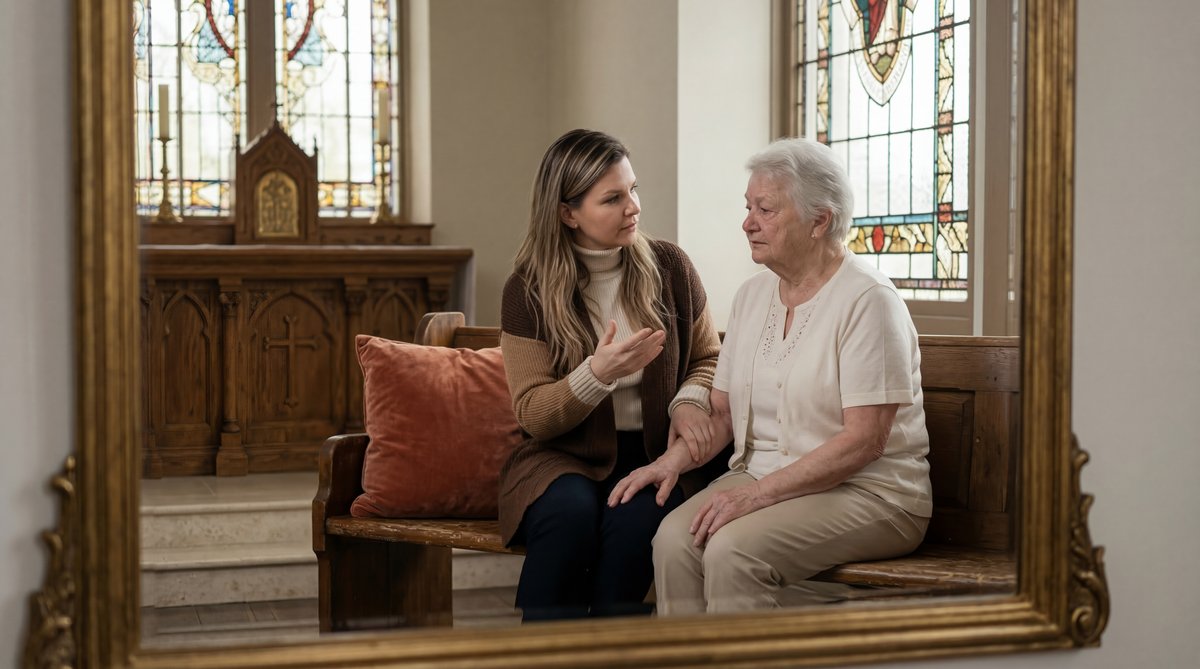
A common, yet entirely unfounded, fear among many patients is that introducing a new, specialized care team will inherently disrupt their deeply established, trusting relationships with their primary care physicians or their highly specialized specialists (such as their lead oncologist, primary cardiologist, or chief neurologist). In reality, the exact opposite is true: supportive care is purposefully, brilliantly designed to be deeply collaborative, functioning as a highly integrated, complementary addition to your existing medical framework, rather than acting as a replacement. Think of your primary specialist as the highly skilled captain of your medical ship, intensely focused on aggressively navigating the complex waters of treating your specific disease. The palliative team, in this analogy, functions as the expert, dedicated crew focused exclusively on keeping the ship functionally stable, rigorously managing the harsh turbulence, and ensuring that you, the passenger, remain as deeply comfortable and safe as possible throughout the entire arduous journey. This seamless integration requires exceptional, constant, and proactive communication between all involved medical providers. The supportive team routinely shares detailed, comprehensive updates with your primary doctors, ensuring that everyone is perfectly aligned and working harmoniously from the exact same collaborative playbook. Always speak with your healthcare provider to discuss how this vital extra layer of support can be smoothly integrated into your current comprehensive treatment plan.
- Enhanced Interdisciplinary Communication: The supportive team acts as a vital, central communication hub, effectively bridging the often vast informational gaps between different medical specialists and various healthcare systems.
- Collaborative Treatment Planning: Ensuring that highly aggressive treatments for the primary disease are perfectly balanced with rigorous, compassionate interventions designed to maximize daily physical comfort.
- Streamlined Healthcare Navigation: Helping exhausted patients safely and efficiently navigate the incredibly complex, often bewildering labyrinth of modern hospital systems, crowded specialty clinics, and frustrating insurance bureaucracies.
- Fierce Patient Advocacy: Continuously ensuring that the patient's distinct, deeply personal voice, clearly stated preferences, and core values remain at the absolute center of every single critical medical decision.
Collaborative Healthcare for Deeply Complex Needs
As modern medical science continues to advance at a rapid pace, treatments for serious illnesses have become incredibly powerful, but also infinitely more complex. A single, complex patient may concurrently see five or six different highly specialized physicians, each incredibly focused on their own specific organ system or particular disease pathology. This immense fragmentation of care can frequently lead to highly conflicting medical advice, dangerous medication interactions, and a deep, unsettling feeling for the patient that no single provider is looking out for their holistic, overall well-being. The supportive care team acts as the vital, missing clinical 'glue' in these highly complex scenarios. They conduct comprehensive, meticulous reviews of the patient's entire, extensive medical history, carefully evaluate the delicate interplay between all prescribed treatments, and aggressively advocate for a unified, highly cohesive approach. By proactively fostering deep, interdisciplinary collaboration, they ensure that the profound benefits of all specialized treatments are maximized, while the cumulative, heavy burdens placed firmly on the patient's shoulders are aggressively minimized.
Empowering Advocacy and Clear Communication
In the fast-paced, often overwhelming, and highly clinical environment of modern healthcare, patients frequently feel deeply intimidated, rushed, or fundamentally unheard during their brief medical appointments. They may struggle significantly to comprehend dense, complex medical jargon, vividly fear asking 'stupid' or repetitive questions, or feel intense pressure to rapidly consent to highly invasive procedures without fully grasping the long-term, life-altering implications. A profoundly vital role of the supportive team is to serve as a fierce, unwavering patient advocate and an expert, compassionate communication liaison. Practitioners dedicate substantial, unhurried time to sitting down with patients, actively translating complicated medical reports into clear, understandable language, thoroughly explaining the nuanced pros and cons of various intricate treatment options, and meticulously empowering patients to ask difficult, direct questions of their primary specialists. This highly proactive advocacy guarantees that patients are never merely passive, unengaged recipients of complex medical care, but rather active, fully informed, and highly empowered partners in their own continuous healthcare journey.

Taking the First Step Toward Supportive Care and Comfort
Recognizing that you, or a deeply cherished loved one, could genuinely benefit from an extra, vital layer of medical support is an incredibly courageous and deeply profoundly important first step. Unfortunately, due to the persistent, lingering myths the practice has extensively discussed in this article, many deeply exhausted patients tragically wait far too long to request this vital assistance, enduring months or even years of entirely unnecessary physical suffering and profound emotional distress. It is absolutely crucial to understand that you unequivocally do not need to wait for your physician to proactively suggest this care; you possess the absolute right to actively request a formal consultation at any point during your complex medical journey. If you find yourself repeatedly experiencing frequent, highly stressful emergency room visits, desperately struggling with uncontrolled, severe physical pain or debilitating chronic nausea, feeling deeply overwhelmed by the massive, confusing burden of managing complex medical decisions, or simply desiring an extra layer of deeply compassionate, expert support, it is firmly time to initiate this critical conversation. The process of accessing this specialized care is typically quite straightforward, but it inherently requires the patient or their dedicated family members to powerfully advocate for their own fundamental needs. We warmly encourage you to talk to your healthcare provider about scheduling a comprehensive palliative care consultation.
- Ask for a Direct Referral: Simply, directly ask your primary care physician or your lead specialist, 'Do you think I would benefit from a dedicated palliative consultation to help manage my symptoms?'
- Prepare Your Questions in Advance: Write down a detailed, comprehensive list of your most highly distressing physical symptoms, your deepest emotional concerns, and your long-term medical goals prior to your first appointment.
- Include Your Trusted Family: Bring a highly trusted family member, close friend, or dedicated caregiver to your initial consultation to help meticulously listen, take detailed notes, and provide crucial emotional support.
- Be Open and Supremely Honest: The care team can only help you effectively if they deeply, thoroughly understand the full, unvarnished extent of your physical suffering and your profound emotional struggles.
Initiating the Critical Conversation with Your Doctor
Starting a profound conversation about your fundamental quality of life with your doctor can sometimes feel deeply intimidating, but it is an absolutely essential step towards achieving the comprehensive, holistic care you truly deserve. You might consider beginning the vital conversation by stating, 'I am deeply committed to my current treatment plan, but I am struggling significantly with the severe side effects and my daily comfort. I have read about specialized supportive care; can we formally discuss a referral to help manage these distressing symptoms?' A highly skilled, deeply compassionate physician will unequivocally welcome this proactive, empowered request. They intimately understand that their primary, intense focus is aggressively treating your specific disease, and they will profoundly appreciate the valuable, expert partnership of a specialized team dedicated entirely to maximizing your daily well-being. Remember, explicitly asking for profound comfort and deep emotional support is never a sign of surrender, weakness, or giving up; it is a powerful, profound assertion of your fundamental human right to live as fully, comfortably, and joyfully as absolutely possible, despite the immense challenges of a severe illness.
What to Expect During Your Comprehensive Initial Consultation
Your very first consultation with a specialized supportive care team will likely feel markedly, wonderfully different from a standard, highly rushed medical appointment. This initial, foundational meeting is meticulously designed to be highly unhurried, deeply comprehensive, and intensely focused entirely on you as a complete, multifaceted individual. The team will sit down with you and ask highly detailed, probing questions about your exact physical symptoms, meticulously assessing not just your current pain level, but how that specific pain severely impacts your daily ability to sleep, eat comfortably, and engage joyfully with your loved ones. They will also gently, respectfully inquire about your current emotional well-being, your deeply held spiritual beliefs, your robust family support system, and your overarching, fundamental goals for your future medical care. Based on this incredibly thorough, holistic assessment, the expert team will collaborate closely with you to painstakingly develop a highly customized, profoundly integrated care plan. This vital plan will seamlessly incorporate advanced medical interventions for rigorous symptom relief, deeply supportive counseling strategies, and comprehensive, forward-looking advance care planning. This crucial first step marks the powerful beginning of a deeply collaborative, intensely supportive partnership completely dedicated to maximizing your ultimate quality of life.

Conclusion
In profound conclusion, supportive palliative care is fundamentally not about the end of life; it is an incredibly powerful, deeply life-affirming medical specialty meticulously focused on optimizing your daily life right now. By aggressively dispelling the damaging myths and fully embracing this holistic, highly multidisciplinary approach to rigorous symptom management and profound emotional support, patients facing serious, complex illnesses can powerfully reclaim their personal dignity, effectively manage their intense physical distress, and achieve a vastly superior, truly meaningful quality of life.
Navigating the terrifying complexities of a severe illness is an incredibly arduous, deeply daunting journey, but you unequivocally do not have to walk that difficult path alone. A dedicated, highly expert team of compassionate professionals stands completely ready to provide you with the vital medical expertise, deep emotional comfort, and unwavering, fierce advocacy you so deeply need and deserve.
If you or a deeply cherished loved one are facing the immense challenges of a serious illness, please boldly take the first step toward profound comfort and holistic support. You are invited to talk to your healthcare provider about a comprehensive palliative care consultation. MEDICAL DISCLAIMER: This highly detailed content is provided strictly for educational and informational purposes only and does absolutely not constitute formal medical advice. Palliative care decisions, complex treatment plans, and rigorous symptom management strategies should always be made in direct, comprehensive consultation with your dedicated healthcare team, primary physician, and family members. Never disregard professional medical advice or tragically delay in seeking it because of something you have read on this website.
Frequently Asked Questions
What is the primary difference between palliative care and hospice care?
The primary difference lies in the timing and the continuation of curative treatments. Palliative care is appropriate at any stage of a serious illness and can be provided alongside curative or aggressive treatments. Hospice care is specifically for patients nearing the end of life (typically a prognosis of six months or less) who have chosen to stop disease-directed treatments.
Will I have to give up my current doctor if I start palliative care?
Absolutely not. The supportive care team works collaboratively alongside your existing primary care physicians and specialists (such as oncologists or cardiologists). They act as an extra layer of support focused on symptom management, while your primary doctors continue to focus on treating your specific disease.
Is palliative care only for cancer patients?
No. While it is highly beneficial for cancer patients, it is designed for anyone facing a serious, complex, or life-limiting illness. This includes patients with heart failure, COPD, kidney disease, Alzheimer's, Parkinson's, ALS, and many other chronic conditions that severely impact daily quality of life.
Does insurance or Medicare cover palliative care services?
Yes, in the vast majority of cases. Palliative care consultations and medical treatments are typically covered by Medicare, Medicaid, and most private health insurance plans, much like standard medical specialty services such as cardiology or neurology. Speak with your healthcare provider or insurance representative for specific coverage details.
How do I request a palliative care consultation?
You do not need to wait for your doctor to bring it up. You or a family member can directly ask your primary care physician or specialist for a referral to a palliative team. Simply state that you would like an extra layer of support to help manage your physical symptoms and emotional stress.
This content is for educational purposes. Palliative care decisions should be made in consultation with your healthcare team and family members.